I am surprisingly bad at making fires.
If given firewood, a hatchet, and some newspaper, I could probably, eventually, get one going. But I would probably bust my knuckles open and use an entire Wall Street Journal — the weekend edition. So, a lot of paper.
The fire would smoke and sputter, and I would be embarrassed if there were an audience.
Some people are good at making fires. They know how to use a flint and steel or can shave feathery little pieces of tinder with a pocketknife. They forage for not-too-wet moss and coax flame from drier lint or cotton balls dipped in petroleum jelly or whatever.
I am not one of those people. Maybe I could have been, but the need never presented itself.
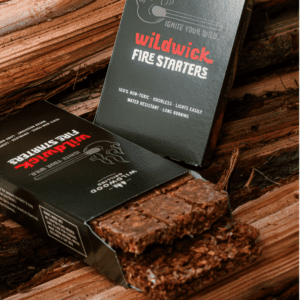
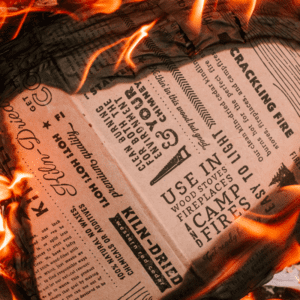
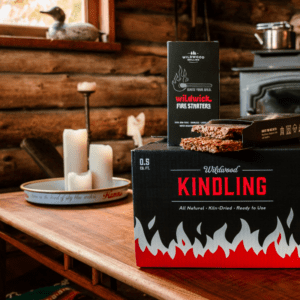
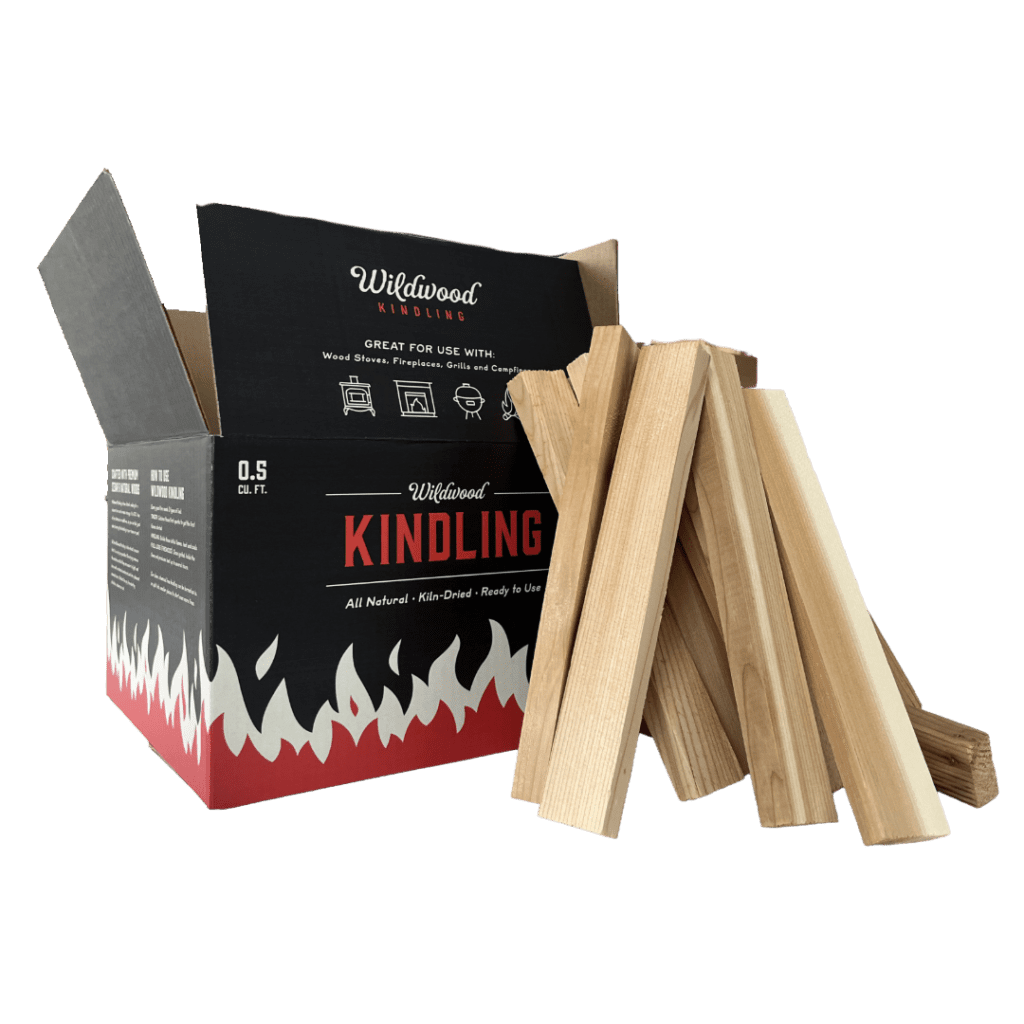
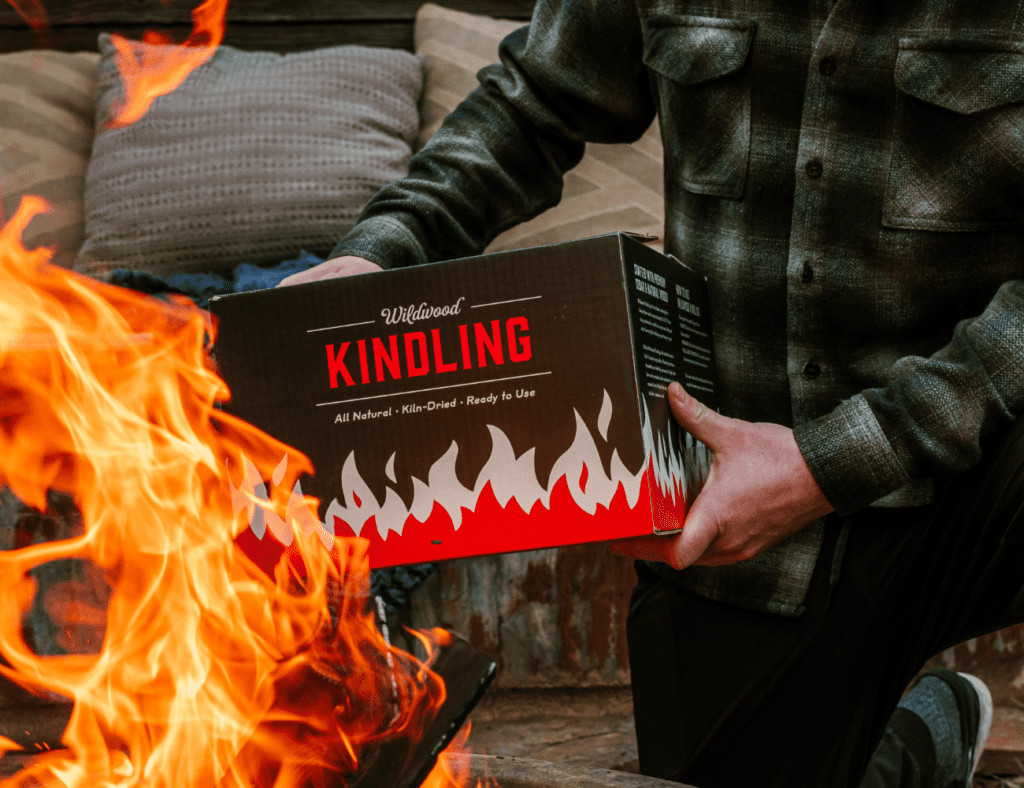
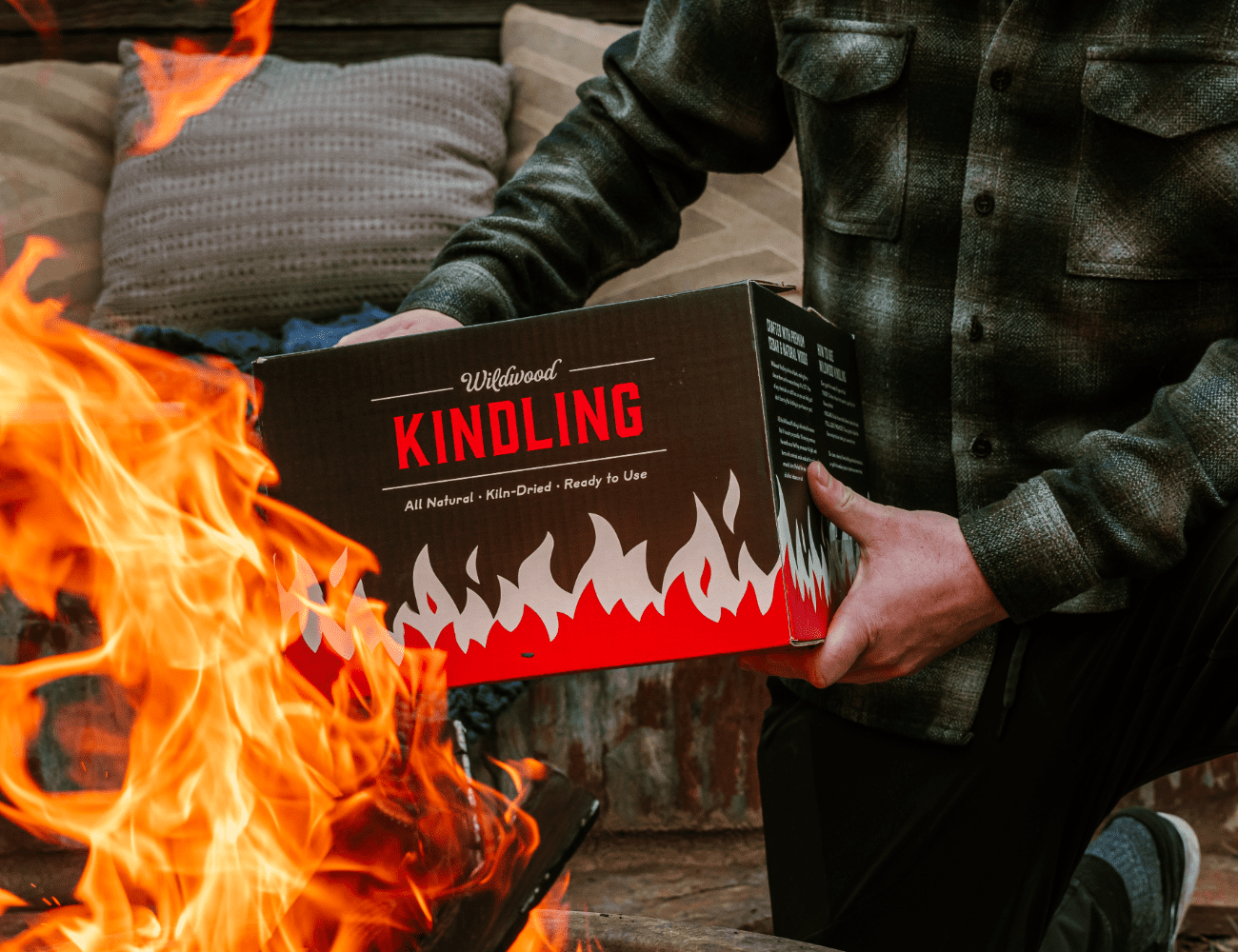
As a kid, I spent plenty of time around my family’s cedar mill. Cedar scraps were everywhere. Kindling wasn’t something you searched for, split, or carefully prepared. It was just there. Dry, lightweight, and up for grabs. Something that needed to be cleaned up because it was A FIRE HAZARD. All too eager to burn.
The family business has changed and changed again over the past 40 years, but cedar has always been the through line.
Long before I was thinking about brands, product positioning, or marketing plans, I was just around the mill. Riding in big trucks. Visiting customers and suppliers with my dad. Sweeping floors and stickering lumber (arranging boards in a way that allows airflow so they dry properly) as penance for whatever that week’s kid-like infraction may have been.
I didn’t know I was learning a business then. I was just tagging along, probably getting in the way more than helping, but absorbing the rhythms of a company built around wood all the same.
But somewhere in there, I learned a few things.
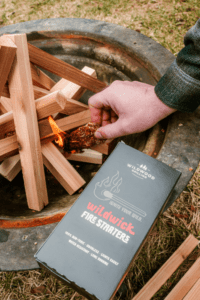
That wood types have personalities. That cedar is light, aromatic, practical, and deeply useful. I learned that when you start with the right material, the job gets a whole lot easier. Which is why I have never learned how to make a fire in the absence of cedar kindling.
It makes it too easy, and I just don’t want to work that hard. But maybe that laziness highlights a good product idea. People want the fire, not the struggle.
Most people are not trying to win a survival challenge or perfect their bushcraft. They are trying to get a fire going before the kids lose interest, before dinner gets cold, or before the house does. They want a fire before the evening slips away and the pleasant dusk turns into dark-dark.
That is the idea behind this move into the firecraft space.
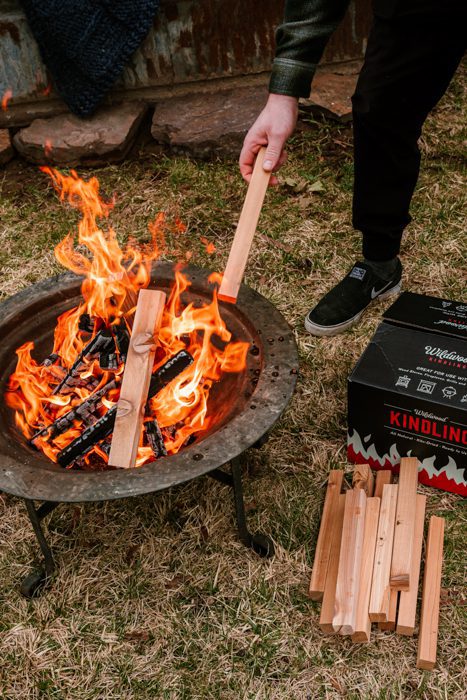
Fire products that make it easy to start and enjoy a fire. Because the fire itself isn’t usually the whole goal.
It’s a warm house. A hot pizza oven. The toasted marshmallows and sizzling sausages.
The campfire to sit around after dinner. The fire pit everyone drifts toward at the party.
The extra hour outside because nobody wants to be the first one to go in.
Somewhere for stories or snacks, solace or songs, quiet or company.